10 Common Liposuction Myths Debunked: Facts You Should Know
- Medically Reviewed by Dr. Salma Ben Cheikh, MD | DHA & DOH Certified Plastic Surgeon

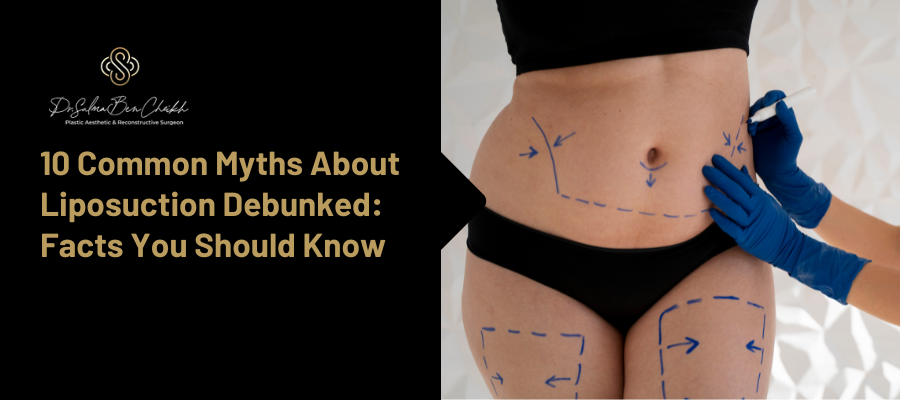
Have you been thinking about liposuction but feel unsure because of everything you have heard about it? Liposuction is the most commonly performed cosmetic procedures worldwide, yet it is also surrounded by confusion.
Knowing the liposuction facts allows patients to make informed decisions before undergoing treatment.
For patients considering body contouring with Dr. Salma Cheikh in Abu Dhabi or Dubai, understanding the truth about liposuction is the first step toward making a safe and confident decision.
Did you know?
According to the American Society of Plastic Surgeons, liposuction is commonly used to contour areas such as the abdomen, hips, thighs, buttocks, and other regions where diet and exercise may not fully address stubborn fat.
Myth 1: Liposuction is a weight loss surgery
Fact: Liposuction is a body contouring procedure
One of the most common liposuction myths is that it helps people lose a large amount of weight. The truth about liposuction is different. It is not designed to treat obesity or replace weight loss.
Liposuction is done to address stubborn pockets of fat that often remain even after regular exercise and healthy eating. It improves body contours, create better balance between different areas of the body, and help achieve a more sculpted appearance.
Patients who wonder, “Can liposuction help with weight loss?” should know that the procedure is intended to reshape specific areas rather than produce significant weight reduction.
Book An Appointment
Myth 2: Liposuction results are immediate
Fact: Results improve gradually as swelling settles
Many patients notice a change soon after surgery, but the final outcome does not appear overnight. Swelling, bruising, and temporary firmness are normal parts of the healing process. As the body recovers, the treated areas gradually become more defined. While early improvements can often be seen within the first few weeks, the full contour may take several months to develop.
Understanding what to expect after liposuction can make the recovery process less stressful and help patients follow their post-operative instructions with confidence.
Myth 3: Fat always comes back after liposuction
Fact: Removed fat cells do not return, but weight gain can still affect your shape
Many patients ask, “Does liposuction permanently remove fat?” The answer is yes, fat cells removed during liposuction are permanently removed from the treated area.
However, liposuction does not stop future weight gain. Remaining fat cells in the body can enlarge if a person gains weight. Stable weight, healthy eating, and regular activity are important after surgery.
Myth 4: Liposuction is only for women
Fact: Men can benefit from liposuction as well
Many men choose liposuction to address stubborn fat around the abdomen, chest, flanks, chin, or waist.
The treatment plan is different for every patient. The liposuction plan is based on body type, fat distribution, skin quality, and the patient’s aesthetic goals.
Myth 5: Liposuction can treat cellulite
Fact: Liposuction removes fat, but it is not a cellulite treatment
Cellulite is caused by fat pressing against fibrous bands under the skin. As liposuction removes fatty tissue but does not directly release these bands, it may not correct cellulite.
Patients with cellulite, loose skin, or skin irregularities may need a different treatment plan. During consultation, Dr. Salma evaluates whether liposuction alone is suitable or whether another skin-tightening or body-contouring option may be better.
Myth 6: Liposuction is painful
Fact: Most patients find the recovery period easier
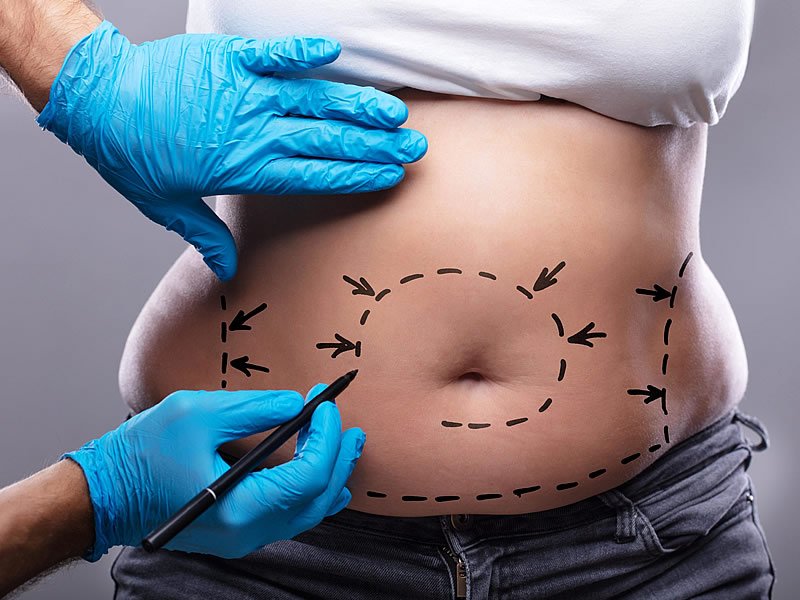
A common question is, “Is liposuction painful?” Discomfort is normal, particularly during the first few days. The experience can vary depending on the area treated, the extent of the procedure, and how each individual heals.
Using compression garments and following post-operative instructions, and staying gently active as advised can help reduce discomfort and support a more comfortable recovery.
Myth 7: Liposuction is unsafe
Fact: Safety depends on patient selection
Many people ask, “How safe is liposuction surgery?” Like other surgical procedures, it involves certain risks, including bruising, swelling, infection, bleeding, temporary changes in sensation, fluid buildup, and contour irregularities.
Thorough medical assessment, careful surgical planning, treatment by a qualified plastic surgeon, and attentive follow-up care all play an important role in supporting patient safety and recovery.
Myth 8: Liposuction leaves large scars
Fact: Liposuction is done through very small incisions
Liposuction involves small access points through which thin instruments are inserted to remove unwanted fat. These incisions are generally positioned in discreet locations whenever possible.
Skin characteristics, genetic factors, and how well post-operative care instructions are followed, affect the appearance of scars. Over time, most marks become lighter and less noticeable.
Myth 9: Liposuction is suitable for everyone
Fact: Not every patient is an ideal candidate
Successful outcomes begin with selecting the right candidates for treatment. Generally, the best candidates are individuals who maintain a stable weight, have localized fat deposits that persist despite healthy habits, enjoy good overall health, and understand what the procedure can realistically achieve.
A detailed consultation helps determine the most appropriate treatment plan.
Myth 10: Recovery does not need planning
Fact: Preparing for recovery is just as important as preparing for surgery
Although recovery is often straightforward, it requires attention to detail and a commitment to following post-operative guidance. Patients who prepare well beforehand often find the recovery period easier to manage.
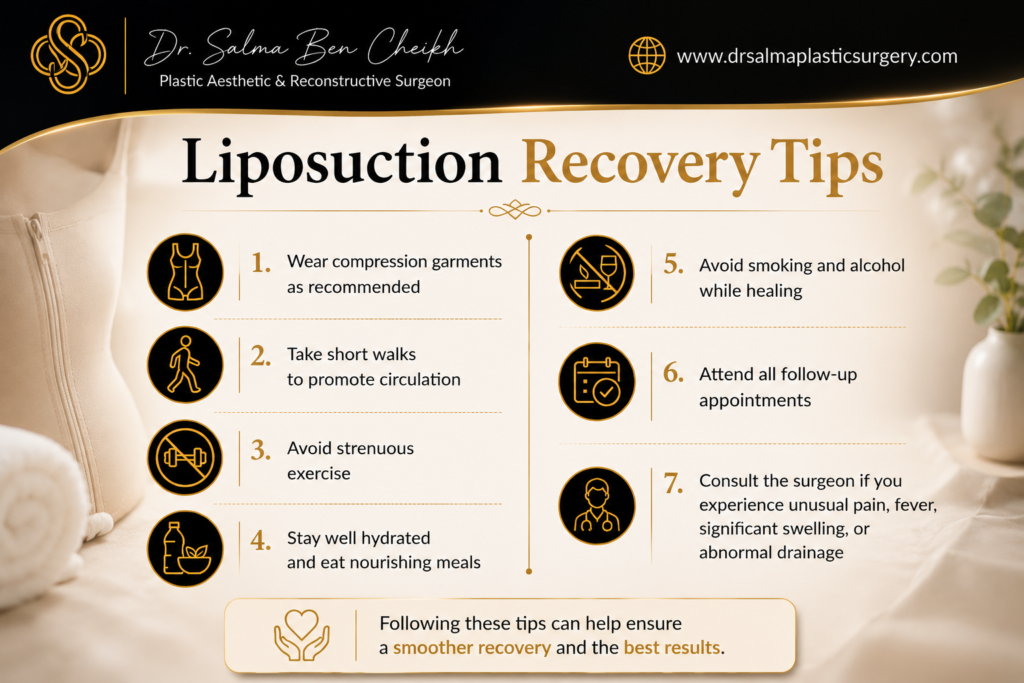
Helpful liposuction recovery tips:
- Wear compression garments as recommended
- Take short walks to promote circulation
- Avoid strenuous exercise
- Stay well hydrated and eat nourishing meals
- Avoid smoking and alcohol while healing
- Attend all follow-up appointments
- Consult the surgeon if you experience unusual pain, fever, significant swelling, or abnormal drainage
Many patients return to light daily activities within several days to a week, depending on the extent of treatment. More demanding exercise and physical activity are usually reintroduced gradually under the guidance of the surgeon.
Why Choose Dr. Salma Cheikh for Liposuction?
Dr. Salma Cheikh is a board-certified plastic, aesthetic, and reconstructive surgeon practicing in Dubai and Abu Dhabi. With advanced training in Tunisia and France, including experience at Saint Louis Hospital, Gustave Roussy Institute, and Fer à Moulin School of Surgery, she brings a refined European approach to aesthetic surgery.
Patients choose Dr. Salma for:
- More than 12 years of experience in plastic, aesthetic, and reconstructive surgery
- DHA and DOH-certified specialist plastic surgeon in the UAE
- Extensive experience in body contouring, breast procedures, and facial aesthetic surgery
- A thoughtful, patient-focused approach with an understanding of women’s aesthetic concerns
- Personalized treatment planning
- Natural, balanced, and body-appropriate results
- Fluency in Arabic, English, and French
As per Dr. Salma, plastic surgery should be a personal decision based on your individual goals, comfort, and well-being. Each treatment plan is carefully tailored to complement your natural features while helping you feel more confident in your appearance.
Know the Facts Before You Opt Liposuction
Liposuction addresses areas of stubborn fat. Although it is not a treatment for weight reduction, it can refine body shape and improve proportion in areas where excess fat tends to persist.
If you seek liposuction in Abu Dhabi or Dubai, Dr. Salma Cheikh guides and provides comprehensive consultation to better understand your goals. She also evaluates whether the procedure is right for you, and provide clear guidance on results, recovery, and any associated considerations.
FAQs
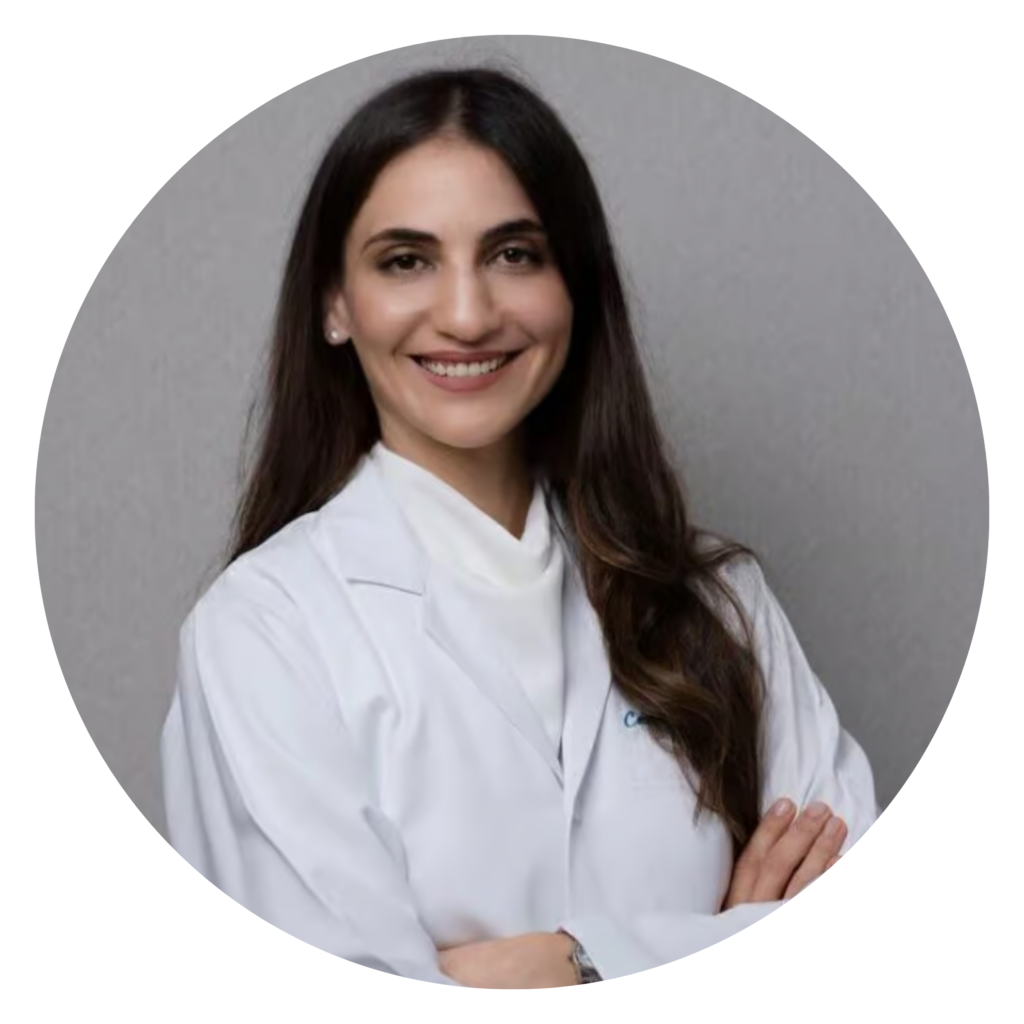
About the Author
Dr. Salma Ben Cheikh, MD
Specialist Plastic Surgeon | MD, Medical School of Tunis, Plastic Reconstructive and Aesthetic Surgery | 12+ years of experience | DOH License No. – GD46470 | DHA License No.- 62492329 | MOH License No.- D78505
Dr. Salma Ben Cheikh is a board-certified specialist in plastic, aesthetic, and reconstructive surgery, recognized for her expertise in advanced cosmetic and reconstructive procedures in the UAE. With over 12 years of experience and international training in France and Tunisia, she combines surgical precision with a patient-first philosophy focused on natural, harmonious results.
Practicing in Dubai and Abu Dhabi, Dr. Salma specializes in facial rejuvenation, breast surgery, body contouring, aesthetic gynecology, and regenerative aesthetic treatments. Her approach emphasizes subtle enhancements, safety, and personalized care tailored to each patient’s unique anatomy and goals.
Trained at renowned institutions including Saint Louis Hospital Paris, Institut Gustave Roussy, and Paris-Saclay University, Dr. Salma brings advanced European techniques and artistic refinement to every procedure. She is fluent in Arabic, English, and French, helping patients from diverse backgrounds feel comfortable and confident throughout their journey.
Medical Disclaimer
This article is for informational purposes only and is not a substitute for professional medical advice, diagnosis, or treatment. Always seek the advice of a qualified health provider with any questions you may have regarding a medical condition.
Medically reviewed by Dr. Salma Ben Cheikh.